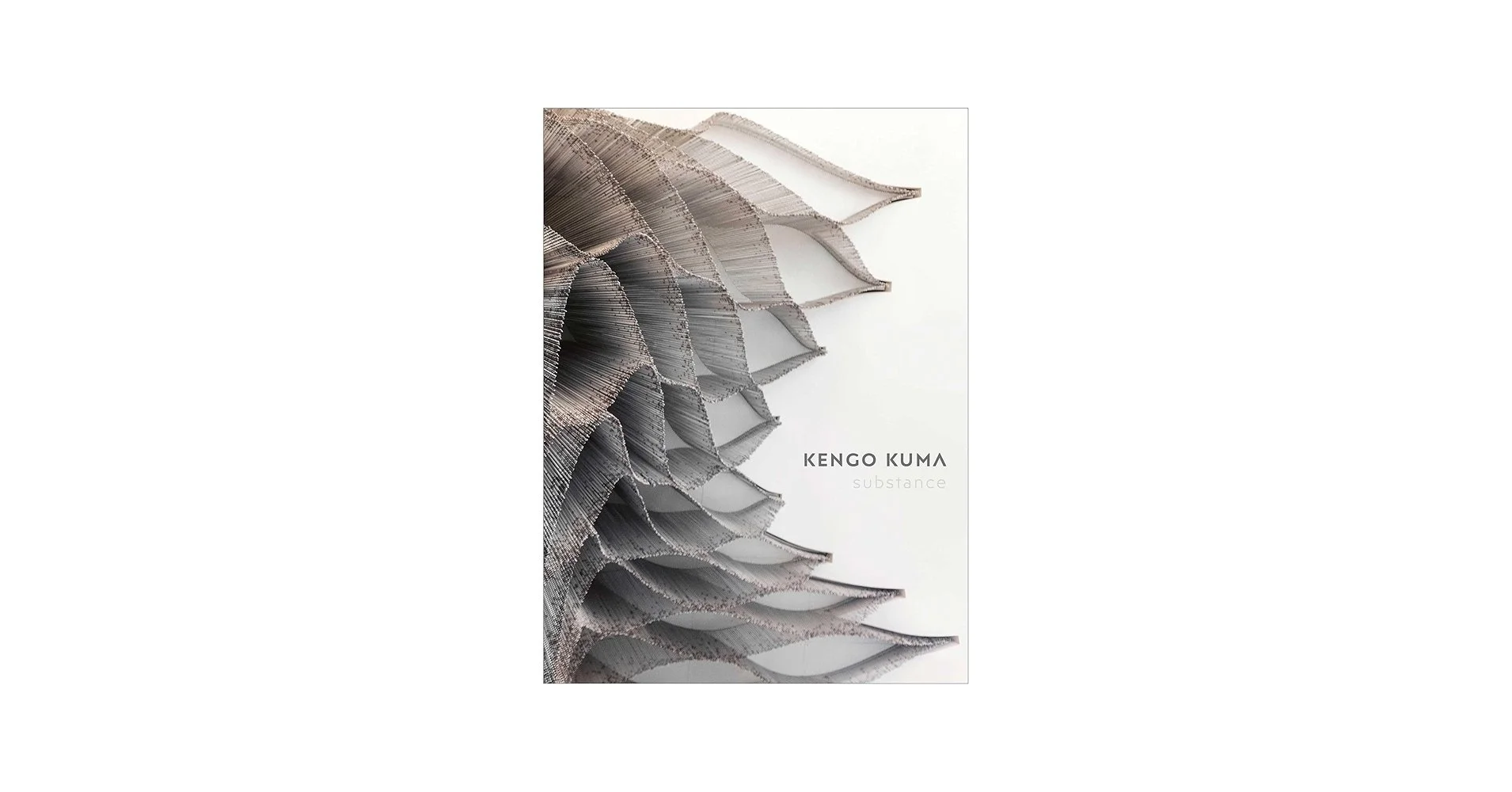

Kengo Kuma: Substance explores the work of the acclaimed Japanese architect through six materials—wood, bamboo, metal, paper, textile, and stone—and presents the ideas behind each work.
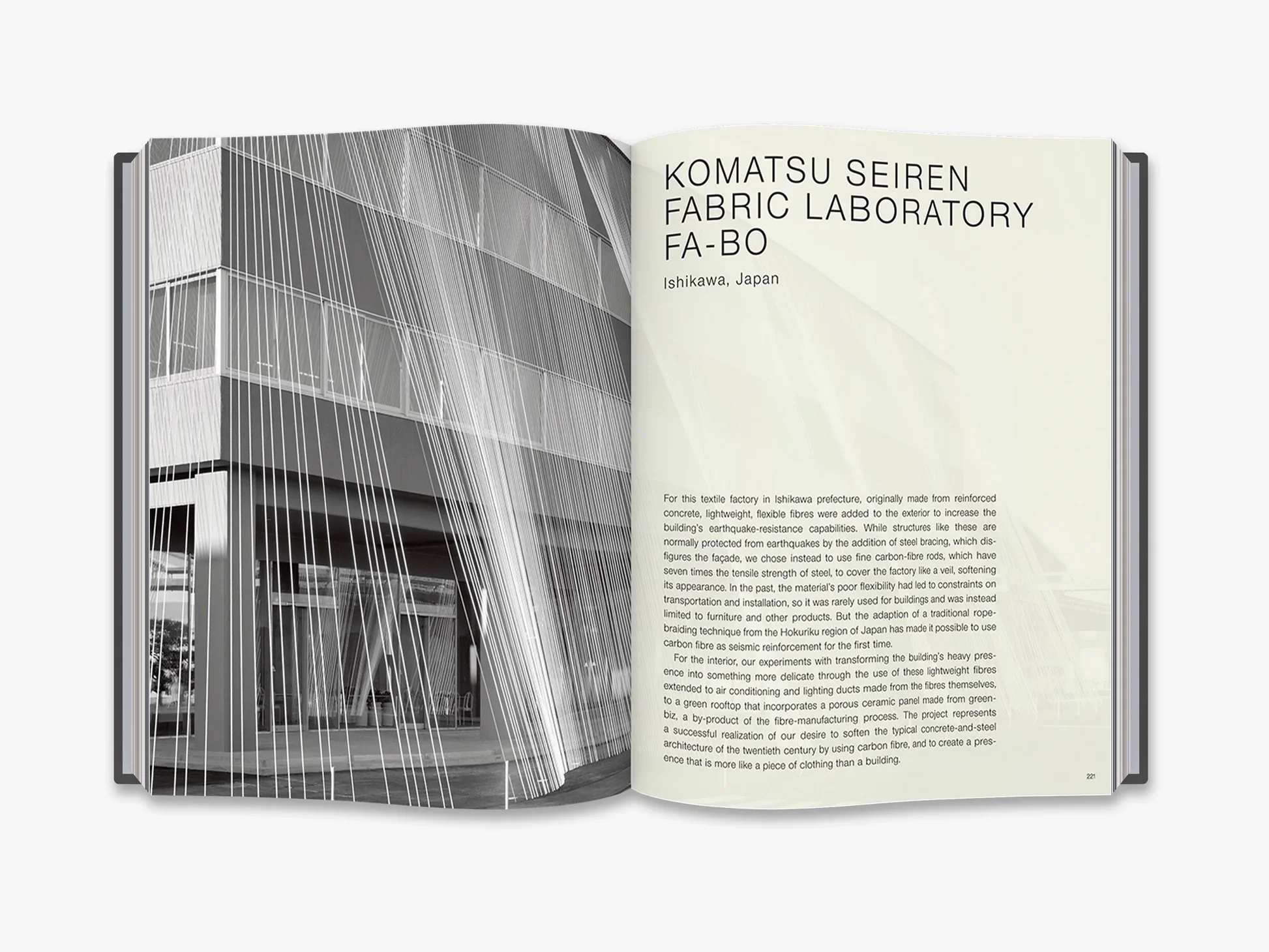
Kengo Kuma’s work masterfully engages experimentation, traditional Japanese design, and advanced technology. This results in highly innovative yet beautifully simple, evocative, and human-scaled structures. Kengo Kuma: Substance features thirty-five ambitious, small-scall projects, from around the world, ranging from captivating wood pavilions, ethereal metal installations, and sculptural woven structures to experiential stone monuments, intricate bamboo tea houses, and luminous shape-shifting domes. Among the featured projects, Domino 3.0 reimagines a forest made with salvaged timber, while Kodama emphasizes a harmonious relationship with nature. The changing shape of Krug x Kuma introduces a variety of spatial experiences, and Bamboo Passage invites people to experience the structure from the inside. Through these experimentations with materials and ideas, Kuma seeks to restore the relationship between people, buildings, and nature, and foster a greater sense of humanity in architecture. Kengo Kuma: Substance will be a prized addition for architects, designers, and fans of Kengo Kuma. It is also a valuable resource for those interested in the fusion of traditional and contemporary architecture, design, craftsmanship, and technology.
The featured projects are from around the world and range in typology and scale. Highlights include the Taoist temple in Shinpu; Kusugibashi bridge in Yamaguchi; Ephemeral Tent in Shanghai; Namako pavilion for Design Canberra Festival; a bamboo tea house in China; and the Wakuni Shoten tobacco store in Tokyo; among many others. Each project is illustrated with exquisite imagery that showcases how Kuma’s architectural designs are conceived and crafted to reveal the inherent qualities of the materials.
As Kuma continues to forge a new design language, he offers readers insight into how he has engaged with different materials to further progress his ideas and advance the world of architecture and design.
Kengo Kuma: Substance explores the work of the acclaimed Japanese architect through six materials—wood, bamboo, metal, paper, textile, and stone—and presents the ideas behind each work.
Kengo Kuma’s work masterfully engages experimentation, traditional Japanese design, and advanced technology. This results in highly innovative yet beautifully simple, evocative, and human-scaled structures. Kengo Kuma: Substance features thirty-five ambitious, small-scall projects, from around the world, ranging from captivating wood pavilions, ethereal metal installations, and sculptural woven structures to experiential stone monuments, intricate bamboo tea houses, and luminous shape-shifting domes. Among the featured projects, Domino 3.0 reimagines a forest made with salvaged timber, while Kodama emphasizes a harmonious relationship with nature. The changing shape of Krug x Kuma introduces a variety of spatial experiences, and Bamboo Passage invites people to experience the structure from the inside. Through these experimentations with materials and ideas, Kuma seeks to restore the relationship between people, buildings, and nature, and foster a greater sense of humanity in architecture. Kengo Kuma: Substance will be a prized addition for architects, designers, and fans of Kengo Kuma. It is also a valuable resource for those interested in the fusion of traditional and contemporary architecture, design, craftsmanship, and technology.
The featured projects are from around the world and range in typology and scale. Highlights include the Taoist temple in Shinpu; Kusugibashi bridge in Yamaguchi; Ephemeral Tent in Shanghai; Namako pavilion for Design Canberra Festival; a bamboo tea house in China; and the Wakuni Shoten tobacco store in Tokyo; among many others. Each project is illustrated with exquisite imagery that showcases how Kuma’s architectural designs are conceived and crafted to reveal the inherent qualities of the materials.
As Kuma continues to forge a new design language, he offers readers insight into how he has engaged with different materials to further progress his ideas and advance the world of architecture and design.